12 Essential Tools for Indoor Plant Care
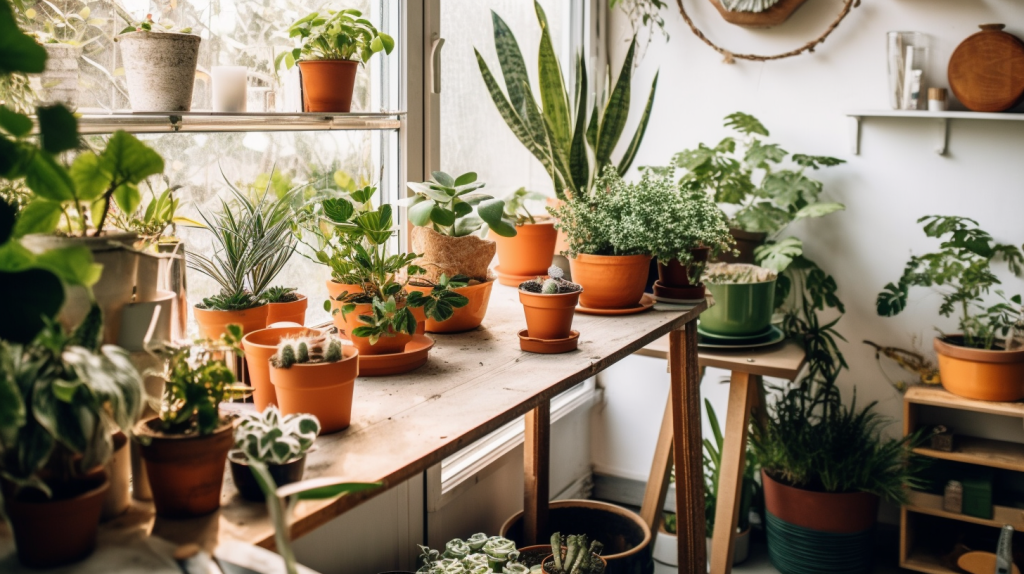
If you love buying houseplants but struggle to keep them alive, there’s a good chance it’s because watering them and caring for them starts to feel like a burden. More often than not, those frustrations are caused by not having the right tools and accessories to make the job simple and joyful.

You’ve been using kitchen cups to water your plant pals, haven’t you? Probably cursing when water spills everywhere! We’ve been there, too… and it’s not fun. That’s why we put together this list of 12 Essential Tools that will bring the joy back to caring for your plant collection.

Think of these tools as the “green team” that’ll help you provide the best TLC for your leafy friends. These must-have tools will transform you from flailing and failing plant rookie into a bona fide indoor gardener. Let’s dig in and unearth the secrets to growing a thriving indoor jungle.

Ready, set, grow!

1. Potting mix
Most plants come in absolutely terrible soil when you purchase them. It’s often too dense, lacking drainage, root bound, dried out, or lacking nutrients. It’s always a good idea to repot your newly acquired plants with new potting mix when you bring them home.

Selecting the right mix is a crucial aspect of plant health, providing proper drainage, aeration, and root development. A quality mix typically contains a blend of ingredients like peat moss, coco coir, perlite, or vermiculite, which work together to create a well-draining, nutrient-rich environment for your plants.

For most houseplants, a general-purpose potting mix with added perlite or vermiculite for improved drainage works well. Succulents and cacti, on the other hand, require a specialized soil mix with a higher sand content to mimic their arid natural environment. Some plants, like orchids or African violets, have unique soil preferences and may need specific potting mixes designed for their needs.

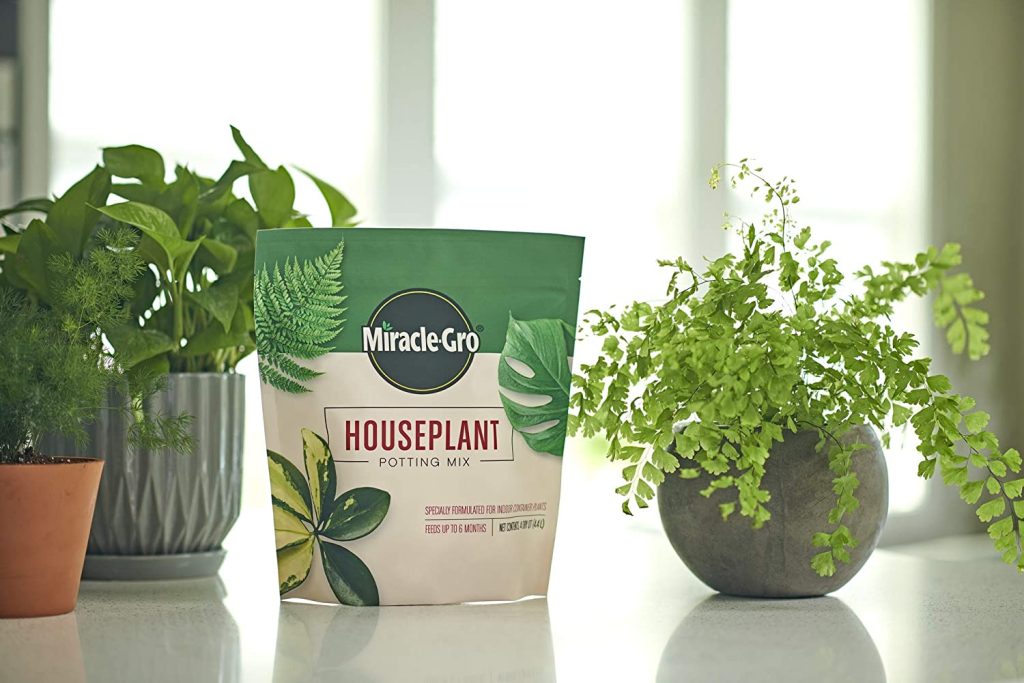
As a beginner, start with a reputable all-purpose mix like Miracle-Gro Houseplant Potting Mix. Buy extra to make sure you’ve always got some on hand. As you develop your skills and interest, you can try customizing the potting mix to suit the specific requirements of your plant species.

2. Trowel
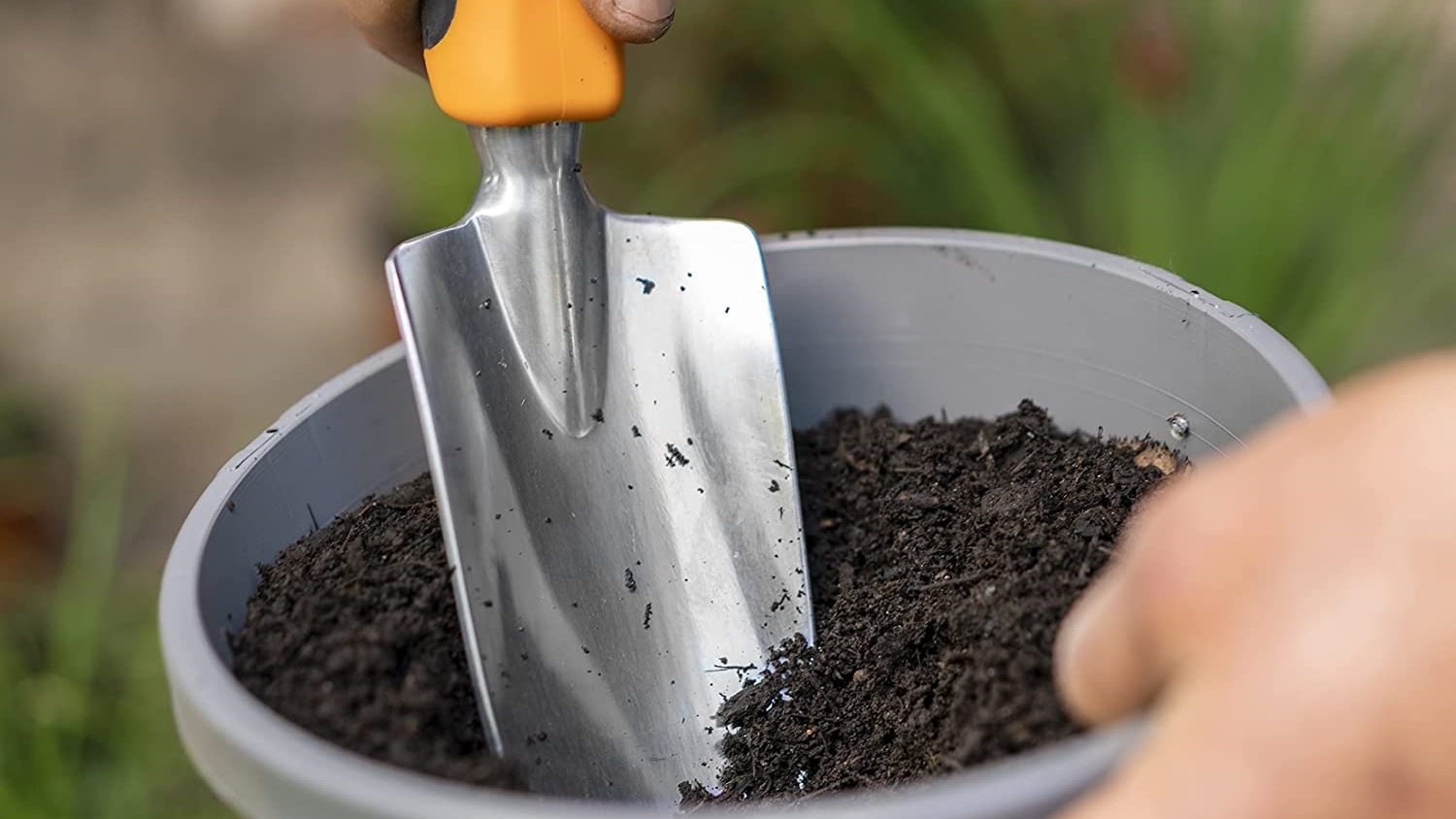
A small trowel is the perfect tool for transferring potting mix when repotting plants (or adding soil to an existing pot). The compact size and pointed blade make it easy to scoop up soil and maneuver within the confined space of a pot.

In addition to transferring soil, a small trowel can also help with tasks like digging small holes for planting seeds or seedlings, loosening compacted soil, or even gently removing a plant from its pot when it’s time for repotting.

A trowel will quickly become one of your most reliable plant care tools, helping you get things done quicker and cleaner, minimizing mess and frustration. Make sure you get a trowel with a stainless-steel blade and comfortable grip: we recommend the Fiskars Ergo Trowel. It’ll prove to be among the most handy and reliable tools in your plant care kit.

3. Transplanting tool
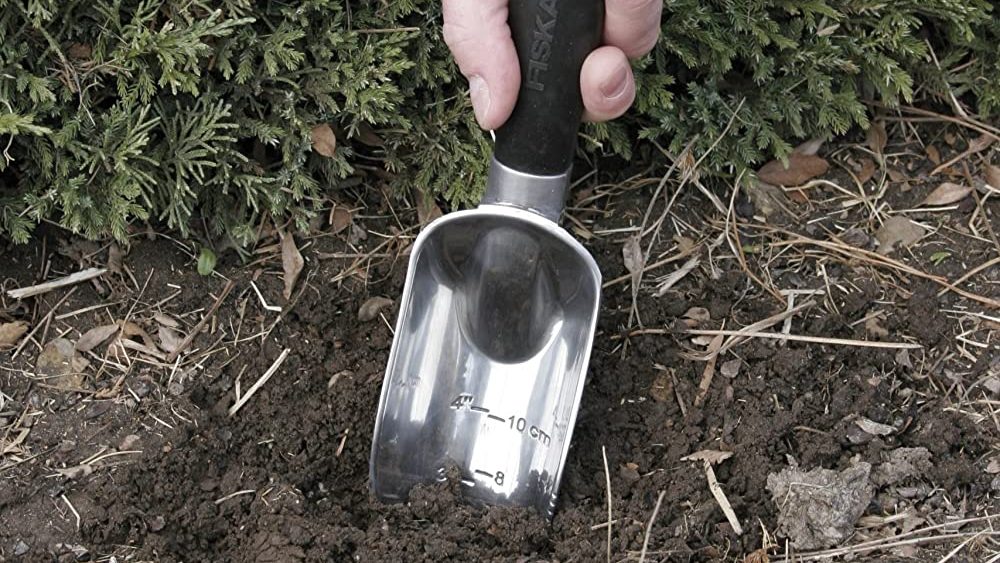
While a trowel is perfect for transferring potting mix, a transplanting tool has a longer and narrower blade, specifically designed for digging deep under plant roots. This feature allows you to safely lift and move plants without damaging their delicate root systems. It can also help you to dig deep, precise holes for placing transplants and seeds.

Transplanters are particularly useful when you’re moving a bunch of plants to larger pots. One of our favorites is the Fiskars Big Grip Transplanter- it will make repotting or relocating your indoor plants a breeze. That being said, if you’re just starting out or only have a couple plants, you’ll be perfectly fine with one small trowel. You can always expand later!

4. Cultivator
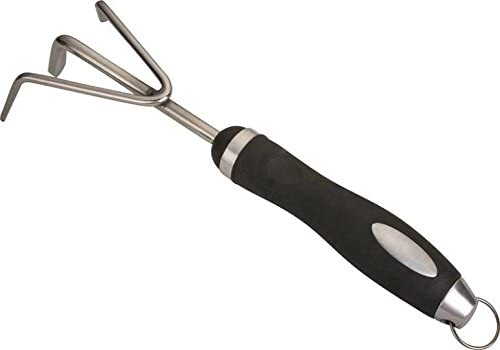
Cultivators are often associated with outdoor gardening, but they can also play a crucial role in indoor plant care. Here are three ways this simple but versatile tool can boost your indoor gardening game:

  • Loosening and aerating soil: A compact cultivator is perfect for gently loosening and aerating the soil around your indoor plants, ensuring proper air circulation and water penetration. This process is especially important for plants that are prone to compaction, as compacted soil can restrict root growth and limit nutrient uptake.
  • Mixing in fertilizer: A cultivator is an ideal tool for blending in granular fertilizer or other soil amendments, like perlite or vermiculite, without disturbing the roots of your plants.
  • Weeding: Although it’s not as common with indoor plants, sometimes pesky weeds can still find their way into your pots. A small cultivator can help you uproot them without damaging your plant’s roots.

When choosing a cultivator, look for one with a durable, rust-resistant construction and a comfortable grip: we recommend the Edward Tools Hand Cultivator.

5. Watering can
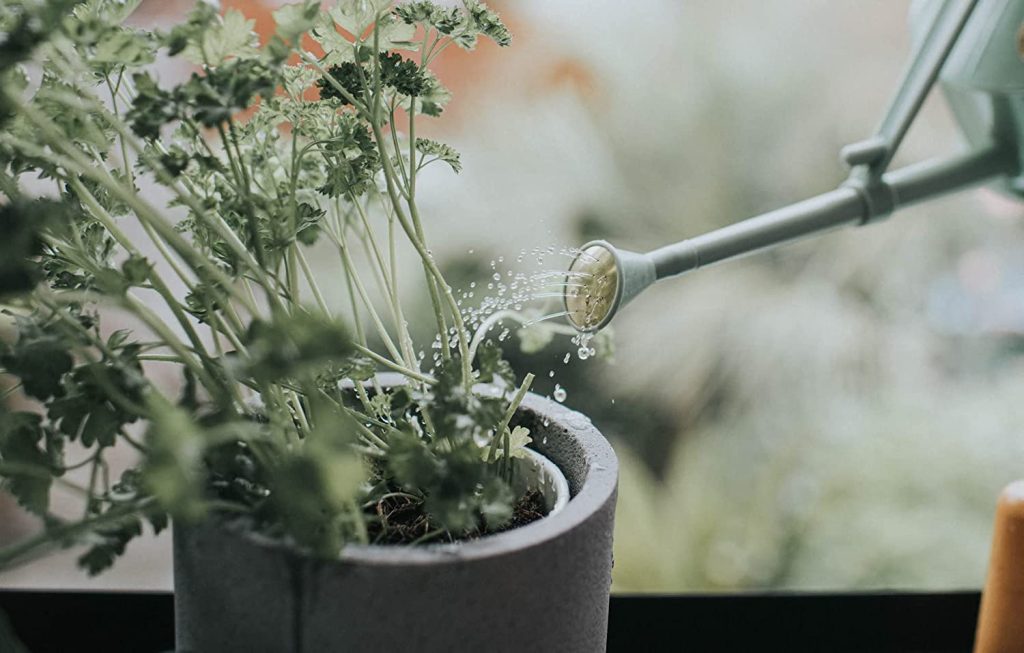
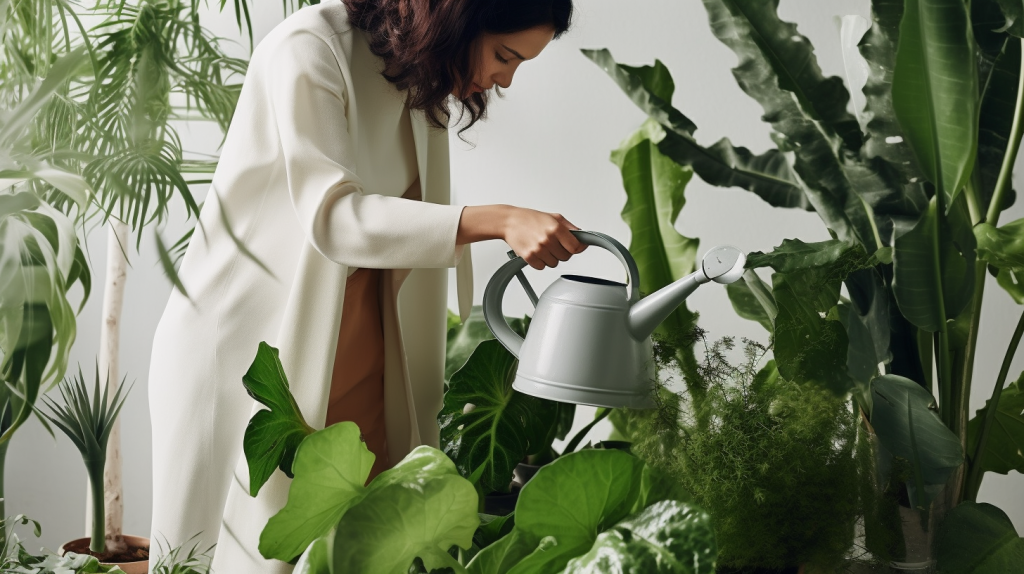
A watering can is an essential tool for indoor plant care because it allows you to control the amount and distribution of water to your plants.

Make sure to get a watering can with a long, narrow spout so that you can target the base of the plant with precision. This will prevent water from splashing on the leaves, otherwise causing potential damage to both your plant and surfaces. If you’ve been watering your plants without a watering can, you’ve really been missing out. Plant life after a watering can is so much more enjoyable… it’ll make you wonder how you ever lived without one!

You can also get a rose attachment which is essentially a shower head for your watering can. This is great for seedlings and small plants since the water trickles much more lightly out of the spout, ensuring the plant isn’t disturbed.

These days, many watering cans are multi-purpose, featuring adjustable settings that adjust the strength and spread of the water output. We recommend the Haws Handy Plastic Indoor Watering Can.

6. Moisture Meter
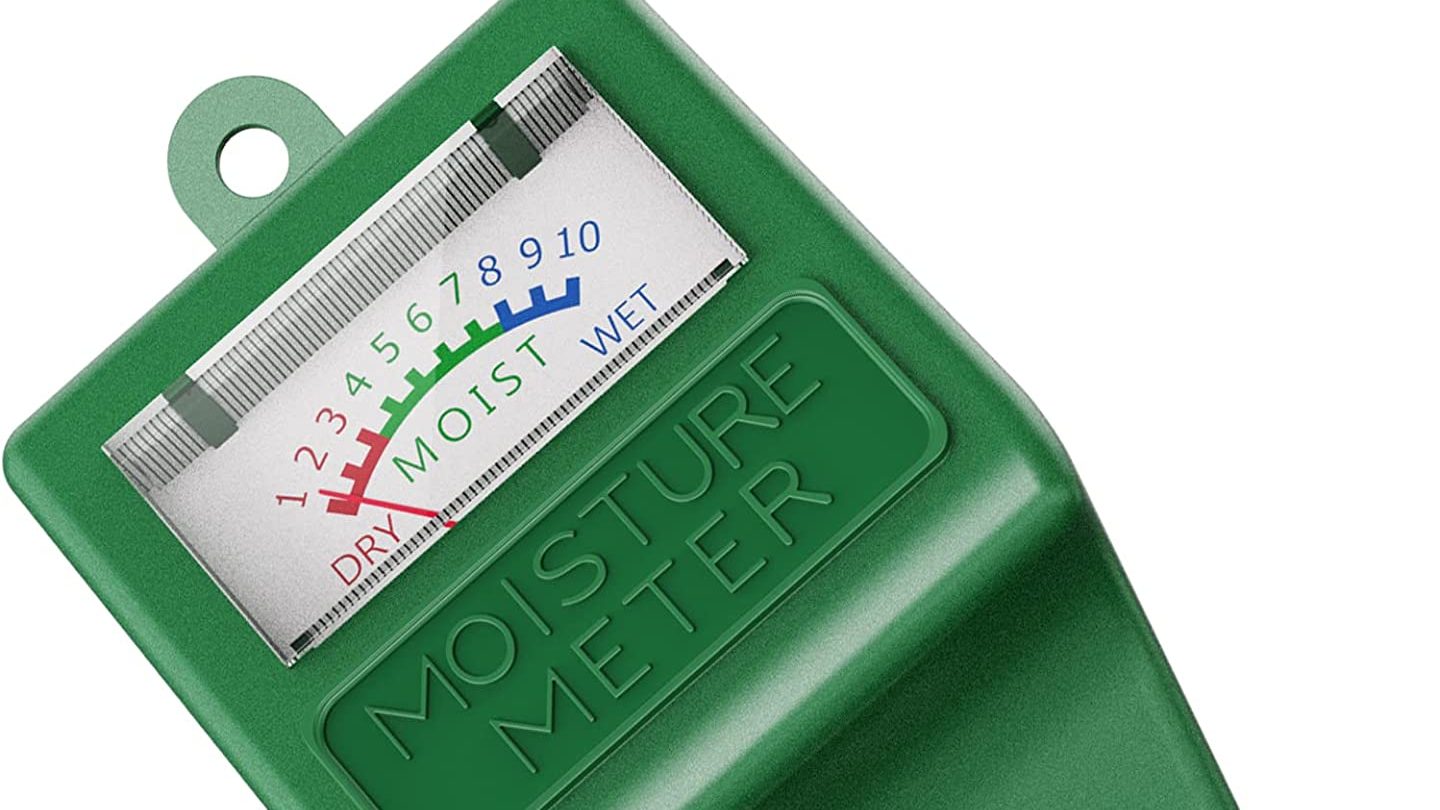
A moisture meter is an invaluable tool that helps you measure the moisture level of your plant’s soil, ensuring that you’re not overwatering or underwatering your plants. If you want to take the guesswork out of knowing when to water, which is 99% of the challenge for most plant owners, then you’ll love this tool.

There are two main types of moisture meters:

  • Electronic moisture meters
  • Analog moisture meters

Electronic moisture meters work by using battery-powered sensors, typically two metal probes, to measure the soil’s moisture level. When the probes are inserted into the soil, they detect the amount of water present by measuring the soil’s electrical conductivity. Since water conducts electricity, the meter can determine the moisture level based on the electrical resistance between the probes. The device then displays the resistance on a scale, usually between “Dry” and “Wet”.

Electronic moisture meters often come with additional features, such as built-in light and pH meters, to help you monitor your plant’s overall health. A popular electronic moisture meter is the Dr. Meter Soil Moisture Sensor Meter, which offers precise measurements and an easy-to-read LCD screen.

Analog moisture meters use a basic mechanical mechanism called a galvanic cell to provide a rough estimate of soil moisture levels. A galvanic cell is created when two different metals are inserted into the soil and connected by an electrolyte. In the case of an analog moisture meter, the soil acts as the electrolyte, and the metal probes serve as the two different metals. When the probes are inserted into the soil, the moisture in the soil allows a small electric current to flow between the probes. This current is then translated into a moisture level reading by the meter, which is typically displayed on a simple gauge or scale.

Analog moisture meters do not require batteries, but their accuracy can be affected by various factors, such as soil composition and temperature. A well-known analog moisture meter that we recommend is the Dr. Meter Soil Moisture Meter, which is affordable and easy to use.

For beginners, we recommend starting with an electronic moisture meter due to its higher accuracy and additional features. However, if you’re looking for a budget-friendly option, an analog moisture meter can still provide valuable insights into your plant’s watering needs. Ultimately, the choice depends on your preferences and budget.

7. Houseplant Fertilizer
While some nutrients are available in the standard potting mix, they’ll be depleted over time, making it essential to supplement your plants’ diet with a good houseplant fertilizer. Neglecting to do so can stunt growth, lead to yellowing leaves, and result in a less vibrant appearance.

There are several types of houseplant fertilizers available, including granular, liquid, and slow-release formulations. Granular fertilizers are mixed into the soil, while liquid fertilizers are typically diluted in water and applied during watering. Slow-release fertilizers come in the form of small pellets that gradually release nutrients over time.

You can also choose between organic fertilizers and synthetic fertilizers. Organic fertilizers are derived from natural sources, such as worm castings or fish emulsion. Synthetic fertilizers are chemically engineered and offer a more precise nutrient composition.

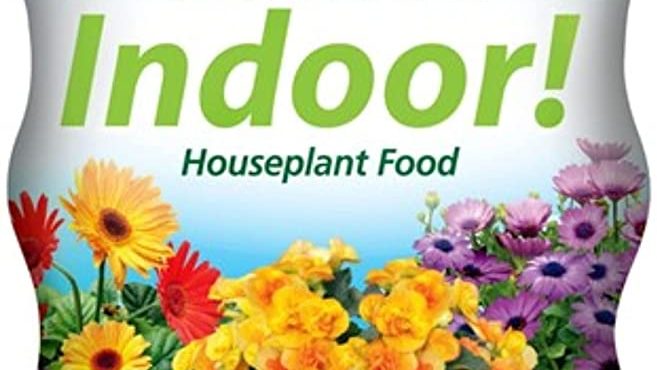
For beginners, we recommend a balanced liquid fertilizer like Espoma Indoor! Liquid Plant Food, which makes it easy to measure and evenly distribute the proper dosage throughout the soil.

Take special note of the letters N-P-K on the packaging of whatever fertilizer you choose. Each will have a number that represents the percentage of nitrogen (N), phosphorus (P), and potassium (K) they contain. Nitrogen promotes foliage growth, phosphorus supports root development and flowering, and potassium contributes to overall plant health and disease resistance. Be sure to choose a fertilizer with a balanced N-P-K ratio suited to your specific plants’ needs.

Most houseplants benefit from fertilization every 4-6 weeks during the growing season (spring and summer) and less frequently during the dormant period (fall and winter). Over-fertilizing can be more damaging to not fertilizing them at all, so be sure to follow the manufacturer’s suggested fertilization guidelines. And then enjoy those beautifully vibrant plants!

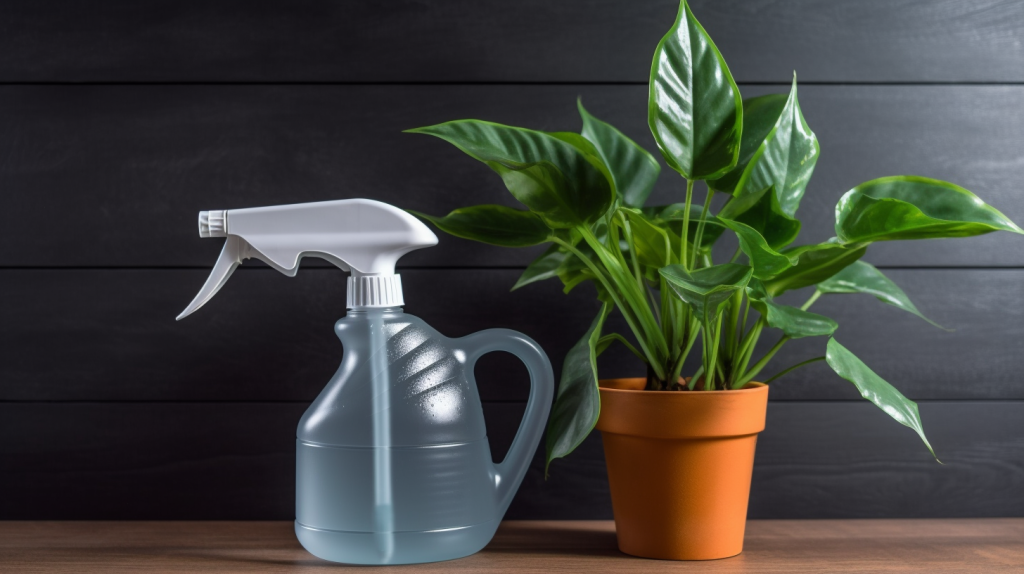
8. Spray bottle
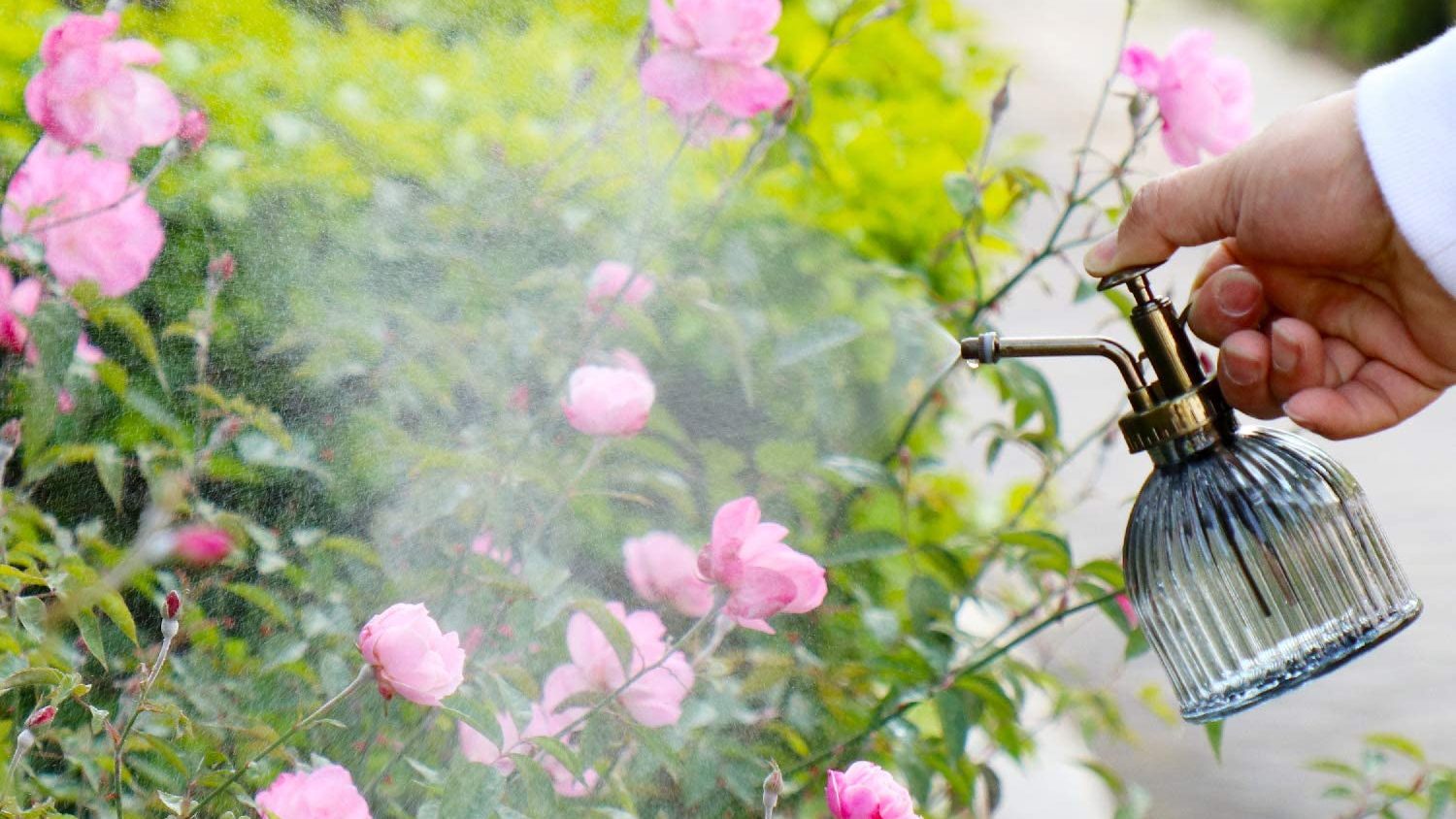
Many indoor plants, particularly tropical varieties such as ferns, orchids, and calatheas, thrive in a humid environment. Misting their leaves with a spray bottle helps to replicate their natural habitat, promoting healthy growth and preventing issues such as leaf curling, browning, and drying out.

In addition to creating humidity, spray bottles can also be used for applying diluted liquid fertilizer and spraying pest control solutions.

It’s important to note that not all plants require or appreciate misting. Be sure to research your specific plant’s humidity preferences; excessive moisture can lead to problems such as fungal infections and root rot.

When choosing a spray bottle, look for one that offers a fine, gentle mist to evenly distribute moisture without drenching the leaves. A good quality spray bottle should be easy to hold, have a comfortable grip, and be made from durable materials: we recommend the OFFIDIX Plant Mister.

If you’ve got tropical plants, you’ll quickly notice a difference in their health and happiness after incorporating regular misting into your plant care routine!

9. Pruning shears
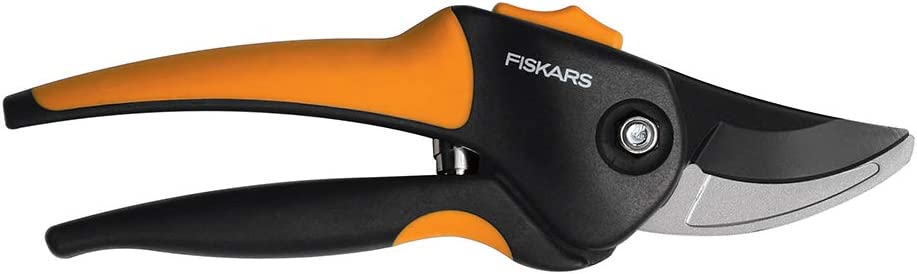
Regular pruning helps promote growth, remove dead or diseased parts, and maintain the desired shape and size of your plants. There are several different types of pruning shears you can use to get the job done, each suited to different tasks:

  1. Bypass shears: These are the most common type of pruning shears, featuring two curved blades that pass by each other like scissors.
  2. Anvil shears: These shears have one sharp blade that cuts against a flat, anvil-like surface. Anvil shears are better suited for cutting through dead or woody branches.
  3. Needle-nose shears (snips): These shears have long, narrow blades that allow for precise cutting in tight spaces or for delicate plants. They are perfect for trimming small stems and leaves.

For beginners, we recommend starting with bypass shears (ex: Fiskars Softgrip Bypass Pruner), as they are versatile and ideal for making clean cuts on live stems and branches.

Knowing when and how to use pruning shears is crucial for the well-being of your plants. For most indoor plants, the best time to prune is during their active growing season, typically spring and summer. During this period, plants can recover more quickly from the stress of pruning.

When using pruning shears, make clean, sharp cuts at a 45-degree angle, about 1/4 inch above a leaf node or bud. This encourages new growth and minimizes the risk of infection or disease. Always sterilize your pruning shears before and after each use to prevent the spread of diseases between plants.

Snip, snip, hooray!

10. Plant labels
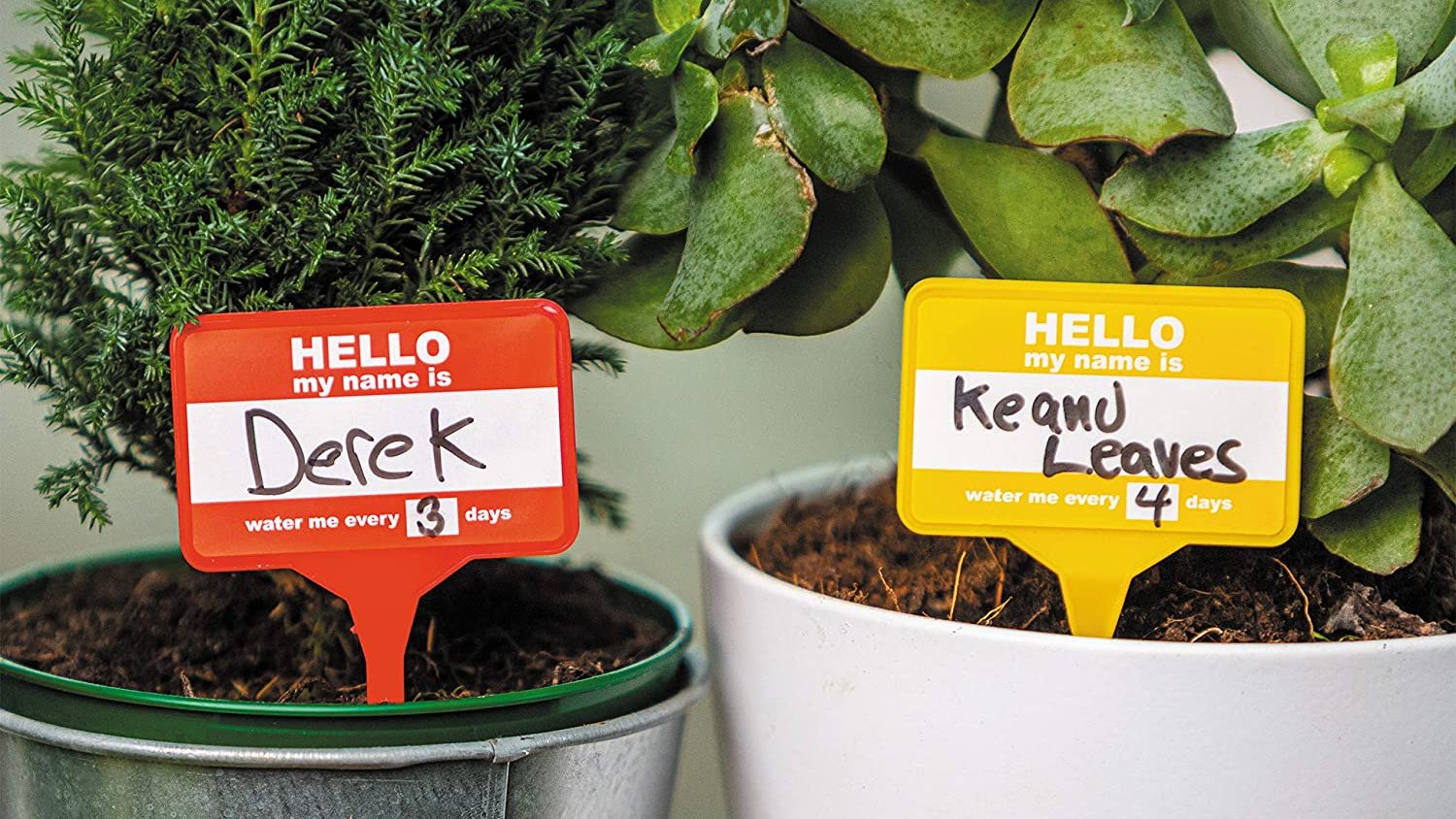
Plant labels are like the little name tags for your green buddies, helping you keep tabs on your growing collection. With these nifty accessories, you can jot down essential info for each plant, like watering schedules, when to feed them fertilizer, or even the last time they had a pot upgrade.

The labels are especially helpful when some of your plants have a striking resemblance to one another. For example, let’s say you have a pothos (Epipremnum aureum) and a heartleaf philodendron (Philodendron hederaceum). While they might look alike at first glance, they have slightly different care requirements. Not only will the plant labels help fuel your green thumb education, you’ll also have a little cheat sheet when it comes to their care.

Plant labels come in a wide variety of styles, like the fun “Hello My Name Is” plant labels shown above. Whatever you choose, make sure they’re durable and weatherproof. Pick the look you like, write the deets on it, stick it in soil at the base of your plant pupils, and make every chlorophyll classmate easily identifiable… roll call!

11. Magnifying Glass
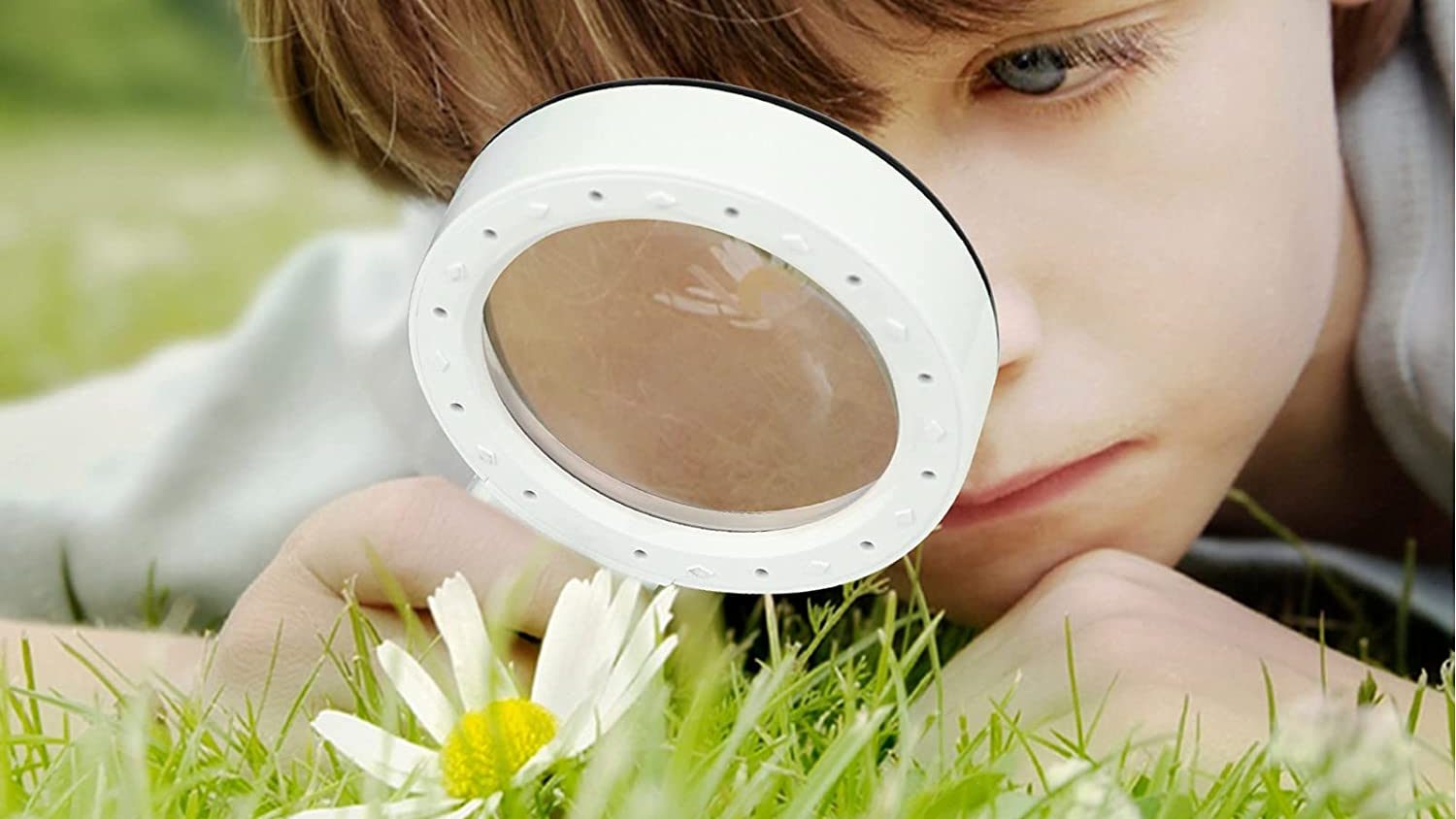
A well-lit magnifying glass may seem like something straight out of a detective movie, but it’s actually a valuable tool in the plant care world. You’ll be the Sherlock Holmes of your indoor jungle, inspecting your plants for pesky intruders or signs of disease.

By catching issues early on, you can help prevent problems from spreading, keeping your indoor oasis healthy and thriving. So put on your detective hat, grab your trusty magnifying glass, and illuminate those nooks and crannies – your plants are counting on you!

One great model you can try is the AIXPI Magnifying Glass which has 30X magnification, LED illumination, and an unbeatable price.

12. Plant Care Toolkit
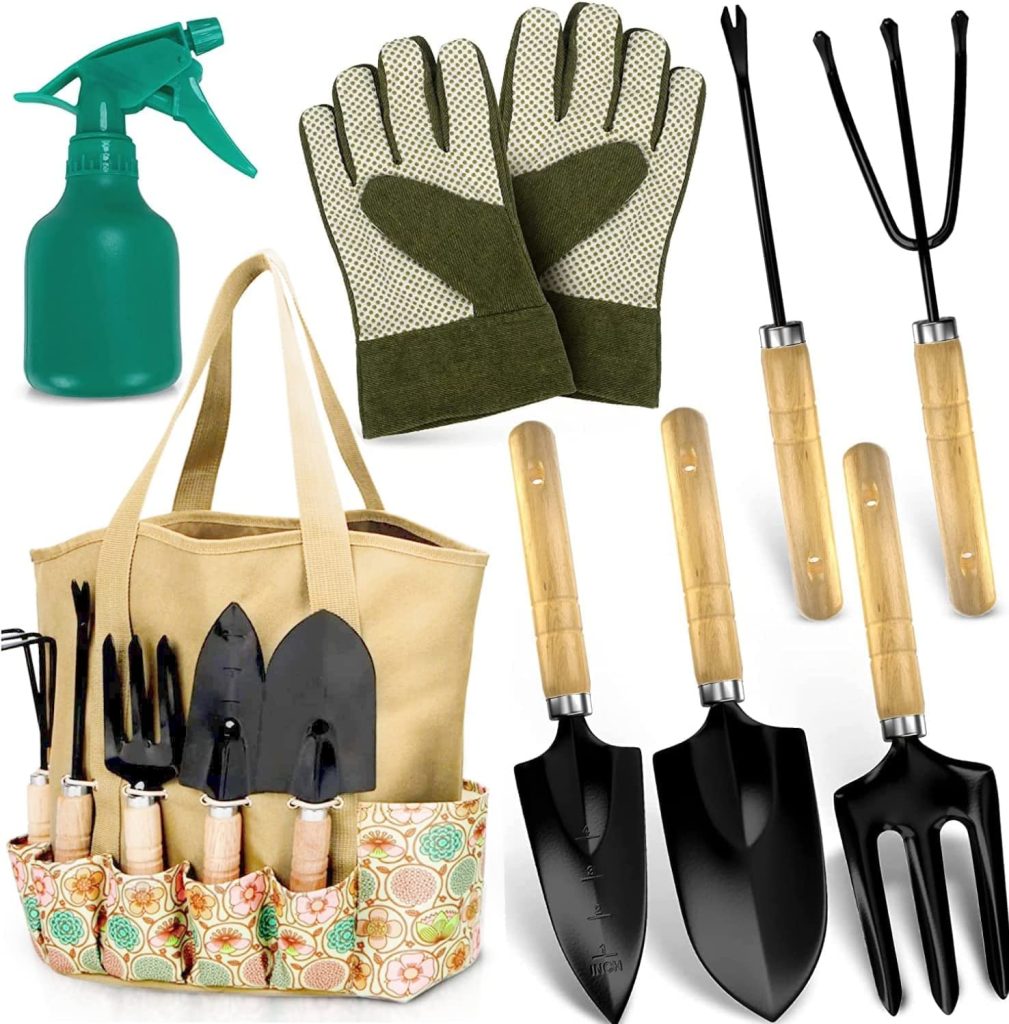
Rounding out our list of essential tools, we have the ultimate time and money-saver: a Plant Care Toolkit! This all-in-one package is like the Swiss Army knife of plant care, bundling together many of the must-have tools we’ve discussed.

Opting for a Plant Care Toolkit is not only a fantastic way to cover all your bases, but it’s also an incredibly convenient and cost-effective solution, especially for beginners. Instead of hunting down each tool individually, you can grab a well-curated kit and dive right into pampering your plants.

One highly recommended Plant Care Toolkit is the Scuddles Garden Tools Set, which includes high-quality versions of many essentials we’ve mentioned. This comprehensive kit ensures you’re well-equipped to tackle any plant care task and keeps everything neatly organized in one handy storage container.
A Beginner’s Guide to Watering Indoor Plants

Are you ready to embark on a thrilling journey into the world of houseplants? It’s time to get your green thumbs prepped because properly watering your indoor plants can make all the difference between a lush, thriving collection and a sad, drooping disaster. But don’t worry, we’ve got you covered!

In this “Beginner’s Guide to Watering Indoor Plants,” we’ll share all the essential tips and tricks you need to keep your leafy friends happy and healthy.

1. Know your plant

Before you can effectively care for your indoor plants, it’s crucial to understand their specific watering needs. Different plants have unique requirements in terms of how often and how much water they need. Take the time to research your plant’s specific watering preferences and natural habitat to provide the best care possible. You can find this information online or through books dedicated to indoor plant care. Understanding your plant’s needs will ensure you provide the right amount of water and prevent common issues like overwatering or underwatering.

You can find and learn more about your plants’ specific needs in our plant directory.

2. Get the right pot

Choosing the right pot for your indoor plant plays a crucial role in proper watering. There are three key elements to which you’ll want to pay special attention:

  • Pot Size: make sure you pick a pot that gives your plant’s roots room to grow, but not so much room that you’re wasting water on untouched soil. Pots that are too small will quickly make your plant “root bound”, which means the roots of your plant start wrapping around the bottom of your pot. Not only does this suffocate new growth, it also increases the chance of root rot when your plant gets a bit too much water.
  • Pot Material: The material of your pot can also make a huge difference. Plastic, fiberglass, and metal pots retain moisture longer, while terracotta, ceramic, and concrete pots offer more breathable solutions. Don’t place your plant directly in a soiled-up plastic, fiberglass, or metal pot; instead use it as a decorative outer shell and insert a plastic nursery pot that that contains your plant. On the other hand, it’s fine to put your plant directly into terracotta, ceramic, or concrete pots as moisture is able to escape through the pot’s walls, preventing root rot.
  • Pot Drainage: Regardless of what pot you choose,a proper drainage plan is absolutely essential to your plant’s health. If you keep your plant in the plastic nursery pot in which it came, you can plop it in a decorative pot without holes to make it look pretty, but stick some gravel at the bottom so it’s never sitting in a pool of water (this is how root rot happens). If your outermost pot has holes for drainage, you’ll want a saucer to catch excess water.

For plants that enjoy consistently moist soil, you may want to consider a self-watering pot. These pots are anchored by built-in water reservoirs and usually feature a wick that steadily soaks up water, lifting it into the soil. Keep in mind that many low-maintenance plants, including hard-to-kill houseplants that are best for beginners, prefer their soil to dry out between waterings.

3. Include a saucer that fits

Almost every houseplant pot should include some sort of drainage holes at the bottom, but if your outermost pot has the holes, you’ll also want a saucer.

If you’re properly and thoroughly watering your plants, it’s normal for excess water to drain from the bottom of the pot. The saucer will catch the excess water that passes through, preventing damage to the household surfaces where your plants live, like countertops, shelves, desks, tables, and floors.

It’s essential that you choose the right size saucer for your pot so it effectively catches water without spilling over. For traditional pots that are wider at the top, gradually narrowing towards the bottom, a safe rule of thumb is make sure your saucer is the size of your pot’s top or larger. There’s no danger in getting a saucer that’s too big, aside from looking a bit silly, but style is personal so do your thing!

After watering, you can allow your plant to sit in the excess water in the saucer for a short period, enabling it to absorb moisture from the bottom. However, it’s essential to empty any remaining water from the saucer after a couple of hours to prevent root rot, especially if your plant’s roots reach the bottom of your pot.

4. Use well-draining soil mix

Using a well-draining soil mix is essential for the health of your houseplants. A good soil mix allows water to flow through it easily, preventing waterlogging and promoting healthy root development. The soil quality in potted plants is almost always poor when first purchased; plan on repotting them so you can give them the ideal home. They’ll thank you for it!

Different plants have specific soil requirements, so make sure to choose a mix that suits your plant’s needs. For most houseplants, a general-purpose potting mix, like Miracle-Gro Indoor Potting Mix or FoxFarm Ocean Forest Potting Soil, with added perlite or vermiculite for improved drainage works well. You can find these mixes at your local garden center or online retailers like Amazon.

Succulents and cacti typically require a specialized soil mix with a higher sand content to mimic their natural environment. A popular choice for these plants is the Miracle-Gro Cactus, Palm & Citrus Potting Mix or Espoma Organic Cactus Mix, both available at home improvement stores and online retailers.

Remember, investing in the right soil mix will not only ensure proper drainage but also provide essential nutrients to keep your plants thriving. Happy planting!

5. Check the soil before watering

One of the most important steps to watering indoor plants is to check the soil’s moisture level before adding more water. Overwatering can cause root rot and other problems, so it’s crucial to ensure your plant actually needs water. When plants appear to be unhealthy or dying, many plant owners assume they need more water and drench them, accidentally drowning their plant in the process.

To check the soil’s moisture, stick your finger about an inch into the soil. If it feels dry at that depth, it’s time to water your plant. If it’s still moist, wait a day or two and check again. Keep in mind that different plants have varying moisture preferences, so familiarize yourself with the specific needs of your plants.

For those interested in a more precise way to monitor soil moisture, consider investing in a soil moisture meter or a hygrometer. These tools provide an accurate reading of the moisture levels in your soil, taking the guesswork out of when to water your plants. Popular options include the Dr. Meter Soil Moisture Sensor Meter and the Gouevn Soil Moisture Meter, both available at home improvement stores and online retailers. By using these handy devices, you can take the guesswork out of ensuring your plants drink the right amount of water.

6. Don’t overwater!

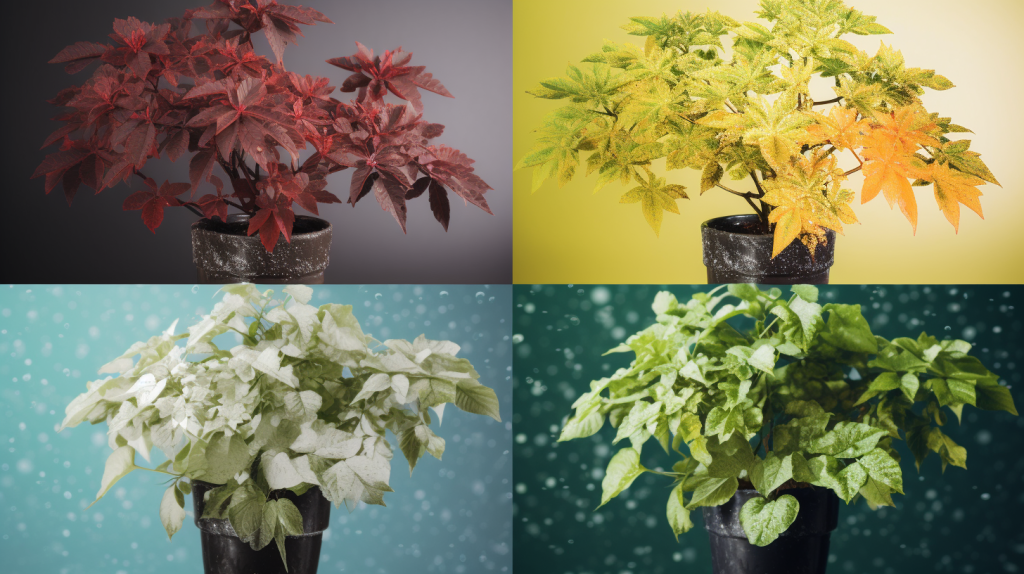
Overwatering is the most common mistake made by beginner plant owners- we cannot stress this point enough! Too much water leads to root rot, yellowing leaves, and ultimately, the death of your plant.

To avoid overwatering, make sure you know your plant’s watering guidelines and check the soil’s moisture level before watering. Remember, it’s generally better to underwater than to overwater. Once you know know the signs it’s easy to differentiate between overwatered and underwatered plants:

  • Overwatered plants may have yellowing leaves, wilted stems, and a moldy or rotting smell.
  • Underwatered plants have dry, crispy leaves, and the soil may pull away from the sides of the pot.

If you suspect your plant has been overwatered, don’t worry- there’s still hope! Here’s how you can nurse it back to health:

  1. Remove the plant from its pot.
  2. Trim any rotten or damaged roots with a clean pair of scissors.
  3. Allow the roots to air out for a few hours to help them dry and recover.
  4. Repot the plant in a clean pot with fresh, well-draining soil.
  5. Water the plant sparingly for the next few weeks, allowing the top inch of soil to dry out before watering again.

By following these steps and learning to recognize the signs of overwatering, you can help your plants thrive.

7. Try different watering techniques

Different plants have different watering preferences and it’s essential to find the most suitable method for each. Try using different combinations of tools and techniques to find what works best for you:

  1. Watering cans: A watering can is a must-have for all plant owners. Find one with a long, narrow spout that allows for precise watering, helping you to avoid splashing and overwatering. A popular choice for this type of watering can is the Haws Indoor Watering Can.
  2. Rose attachment: A rose attachment provides gentle, even distribution of water across the soil surface, much like a shower. It’s particularly beneficial for delicate seedlings and young plants. You can either buy a Rose attachment that fits onto your watering can or buy a watering can that’s specifically and permanently fitted with a rose head.
  3. Misting: Some plants, especially tropical ones that love humidity, can greatly benefit from misting. Gently spraying water onto the leaves creates a humid environment that mimics their natural habitat. Be cautious not to overdo it, as excessive moisture on the leaves can lead to fungal issues. The Exo Terra Mini Mister is a cheap and handy tool for getting the job done.
  4. Bottom watering: This method allows the plant to soak up water through the drainage holes at the bottom of the pot, encouraging deep root growth and preventing overwatering. There are several ways to achieve bottom watering:
    • Self-watering pots, like the Lechuza Classico Self-Watering Planter, have a built-in reservoir that stores water and provides it to the plant as needed.
    • Placing your plant in a container filled with water, such as the Hydrofarm Active Aqua Tray, allows the roots to access moisture directly.
    • Pouring water into the saucer beneath the pot, like the Curtis Wagner Round Clear Vinyl Plant Saucer, can also provide moisture to the plant roots, although it may not be as efficient or thorough as other techniques.
  5. Watering globes: Watering globes are decorative glass or plastic bulbs that slowly release water into the soil. These are a stylish and practical way to keep your plants hydrated, particularly when you’re away for short periods. The Wyndham House Watering Globe Set is a beautiful option for this purpose.
  6. Drip irrigation systems: these systems are designed to deliver water directly to the plant’s roots through a network of tubing and emitters. This ensures that the plant gets the right amount of moisture without overwatering and keeps your indoor surfaces dry. The Blumat Drip Irrigation System is a suitable option for indoor gardens or plant setups.

For beginners, it’s best to start with a watering can with a long, narrow spout for precise watering, and experiment with bottom watering techniques. As you gain experience and learn more about your plants’ specific needs, you can explore other methods and accessories to find the perfect watering routine for your indoor garden.

8. Water plants in the morning or evening

Watering your indoor plants in the morning or evening is generally best. The temperature is cooler and evaporation rates are lower, allowing the water to be absorbed more efficiently by the plant roots. Watering during the heat of the day can lead to faster evaporation and may not provide your plants with enough hydration to sustain them. Moreover, watering in the evening helps the plant prepare for nighttime when it undergoes a slower metabolic process and conserves energy.

It may be helpful to include a plant checkup into your daily routine, for example, checking soil moisture while you sip your morning coffee. Not only will this ensure your plants don’t get neglected, but it can also relieve stress and provide meditation-like benefits. Perhaps best of all, you’ll be creating a consistent level of observation that will allow you to enjoy watching your green friends grow.

9. Change with the seasons

As the seasons change, so do the needs of your indoor plants.

During the warmer months, your plants will generally require more frequent watering as they drink more, grow more, and lose more water to evaporation. Conversely, in the colder months, your plants will enter a period of dormancy where their growth slows down and they drink less. It’s crucial to adjust your watering schedule accordingly to prevent overwatering or underwatering.

If you’re regularly checking soil moisture, you should be able to easily make these adjustments. If you’re using drip irrigation or another automated watering method, don’t forget to tweak your output. Being mindful of the seasonal changes can help you provide the best care for your indoor plants throughout the year.

10. Use the right type of water

Believe it or not, the type of water you use for your indoor plants can affect their overall health.

  • Tap water often contains additives like chlorine and fluoride, which, in some cases, can be harmful to plants.
  • Rainwater is naturally free of these additives and is an excellent choice for watering your plants.
  • Filtered or distilled water, which has had most impurities removed, is a great alternative to rainwater if your tap water is giving your plants problems.

Additionally, some plants are sensitive to the temperature of the water; using room-temperature water is generally the best practice. Avoid using very cold or hot water, as this can shock the plant’s roots and cause stress (or worse).

If your plants are constantly dying and you absolutely know you’re giving them the right amount of water, maybe the problem is in the water itself! Using a water test kit such as the API Freshwater Master Test Kit, you can check for various parameters such as pH, ammonia, and nitrate levels. With the results from the test kit, you can determine if your tap water is suitable for your plants or if you need to consider using filtered or distilled water.

10 Hard-to-Kill Houseplants

If you love buying new houseplants but aren’t so good at keeping them alive, this list is for you! Rather than repeatedly researching “how to revive a dead plant”, do the smart thing: buy indoor plants that are likely to survive no matter what you put them through.

Growing healthy houseplants can be as complicated and involved as you choose. Factors like sunlight, window orientation, watering schedule, soil type, and much, much more can all be perfectly addressed to maximize growth for even the pickiest of plants. But if you want low-maintenance houseplants that will thrive in almost any conditions (and despite your neglect), look no further.

Here are 10 low maintenance houseplants that can tolerate a range of sunlight conditions and survive infrequent waterings.

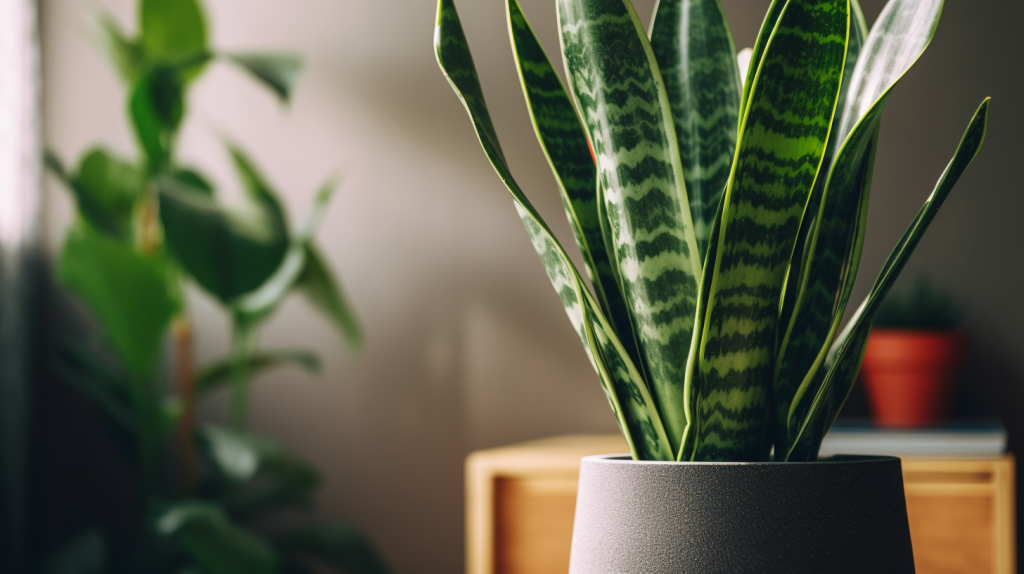
1. Snake Plant (Sansevieria)

The Snake Plant, also known as Sansevieria or Mother-in-Law’s Tongue, is an ideal choice for those new to the world of houseplants. Its tall, stiff, and striking green leaves grow vertically, adding a touch of architectural elegance to any space.

One of the reasons the Snake Plant is so easy to maintain is its ability to tolerate a wide range of conditions. It can thrive in bright, indirect, or even low-light areas, making Snake Plants suitable for rooms with limited natural light. They can also withstand fluctuations in temperature, although they prefer warmer environments.

Snake Plants are drought-tolerant and don’t require frequent watering. In fact, overwatering is one of the few ways you can harm it! Allow the soil to dry out completely between waterings, and then water it thoroughly, ensuring that the excess water drains out of the pot. This will prevent root rot and keep your plant healthy.

2. ZZ Plant (Zamioculcas zamiifolia)

The ZZ Plant is such an easy plant to care for that you could probably do it in your sleep, but the “ZZ” doesn’t reference snoozing on the job: it’s shorthand for the scientific and much harder to pronounce “Zamioculcas zamiifolia”. Boasting glossy, dark green leaves that grow along arching stems, the ZZ Plant adds a touch of tropical flair to any indoor space.

A significant advantage of the ZZ Plant is its ability to tolerate low light conditions, allowing it to thrive in the lowest of light conditions, like dimly lit corners. Although it appreciates bright, indirect light, it can also adapt to fluorescent lighting, making it an excellent choice for offices or rooms with limited natural sunlight.

Watering needs for the ZZ Plant are minimal, as it can store water in its thick roots and fleshy leaves. To ensure proper care, wait until the soil is dry before watering, and then water thoroughly, allowing the excess to drain from the pot. Temperature-wise, the ZZ Plant is quite adaptable and can handle a range of temperatures, though it prefers a warmer environment.

When it comes to visually appealing, low-maintenance, easy-to-care-for and resilient houseplants, it really doesn’t get better than the ZZ Plant! Let it live, water when very dry, soak it good, and enjoy its beauty!

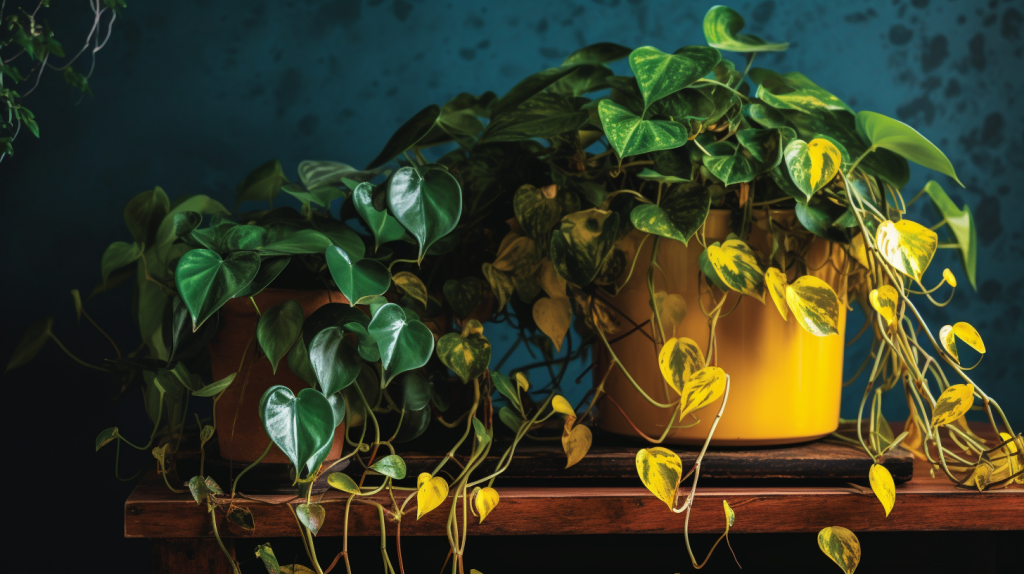
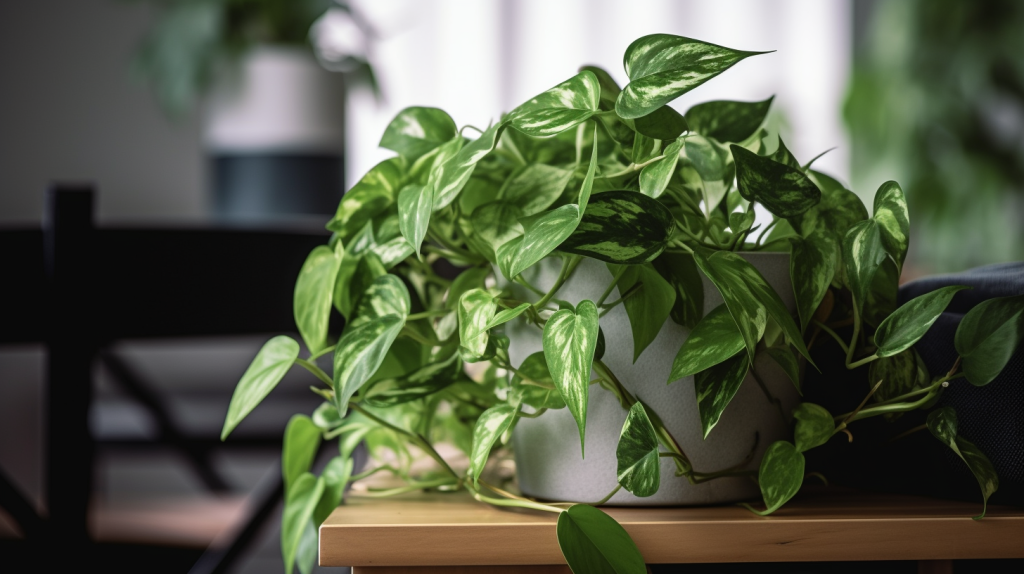
3. Pothos (Epipremnum aureum)

The Pothos, also known as Epipremnum aureum or Devil’s Ivy, is an attractive and versatile houseplant that has earned a reputation for being nearly indestructible. Its trailing green vines adorned with heart-shaped leaves create a captivating display, making it a popular choice for hanging baskets or shelves that it can spill over.

One of the reasons Pothos is so beloved is its ability to adapt to a wide range of lighting conditions. It does best in bright indirect light, growing at what seems to be a mile-a-minute, but it is also capable of tolerating low light environments. If you place it in an area that is too dimly lit, you’ll notice that its variegated leaves may lose some color. Pick the right place, though, and your pothos will be off to the races!

Caring for Pothos is a breeze since it prefers to dry out between waterings. Wait until the top inch of the soil is dry, then give it a good soak. As usual, make sure it has proper drainage to let excess leak out and prevent its roots from rotting. Pothos are also relatively forgiving when it comes to temperature fluctuations, but they’re most comfortable between 60-80°F (15-27°C), which is luckily the range that most people keep their homes.

4. Spider Plant (Chlorophytum comosum)

The Spider Plant, or Chlorophytum comosum, is an appealing and resilient houseplant that adds a touch of whimsy to any indoor space. Its cascading foliage features long, narrow leaves that are striped in green and white, giving it a unique and eye-catching appearance. As the plant matures, it produces small plantlets or “spiderettes” on the ends of its shoots, which can be easily propagated to create more plants. Yay, free plants!

Spider Plants are known for their ability to adapt to various lighting conditions; they flourish in bright, indirect light but can also manage quite well in medium to low light areas. However, placing them in extremely low light may cause them to fade.

When it comes to watering, Spider Plants prefer to dry out slightly between waterings. Allow the top inch of soil to dry out, but don’t let it get bone dry- then give them a thorough watering. Spider Plants are also fairly tolerant of temperature fluctuations, but they thrive best in a range between 65-75°F (18-24°C).

In a nutshell, the Spider Plant is a charming and low-maintenance houseplant that not only offers aesthetic appeal, but also the gift of more plants (spiderettes)! If you’ve got a fairly sunny spot, give them some space to weave a web and watch them flourish.

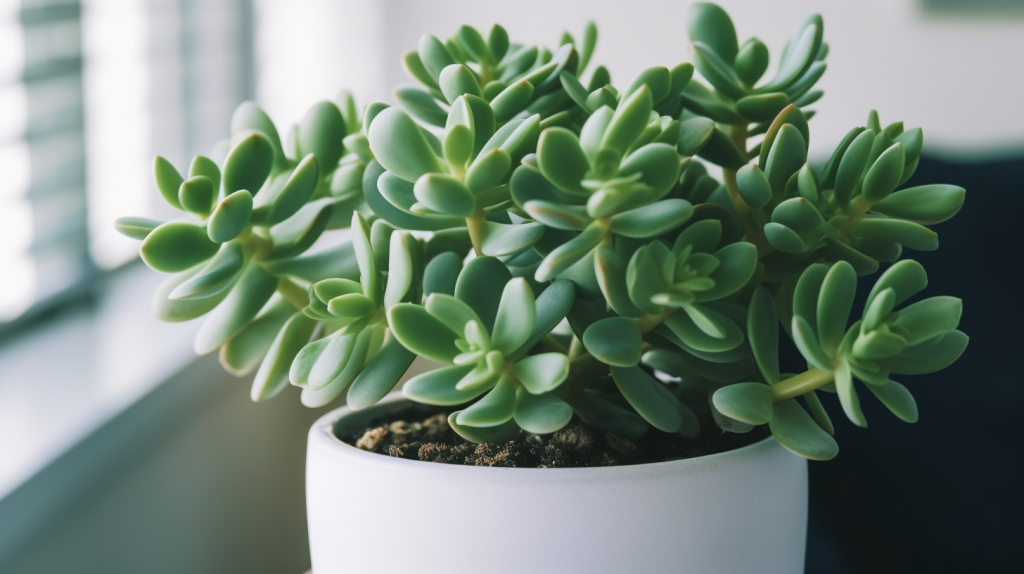
5. Jade Plant (Crassula ovata)

The Jade Plant, also known as Crassula ovata, is a striking succulent that brings a touch of elegance and natural beauty to any indoor space. With its plump green leaves and tree-like structure, this plant can grow to become an eye-catching focal point in any room. Jade is considered a symbol of good fortune and prosperity in many cultures, making it a popular choice for both homes and offices.

One of the reasons Jade Plants are a household favorite is their resilience across lighting conditions. They do prefer bright, indirect light, but can also adapt to medium light conditions. However, do NOT expose them to scorching direct sunlight- you’ll burn their leaves and your Jade will go bye-bye.

Although Jade Plants have a shallow root system, they achieve drought resistance by storing water in their often bulbous leaves, making them incredibly forgiving when it comes to watering. It’s best to let the soil dry out completely between waterings, and then water thoroughly, allowing any excess to drain away. Err on the side of caution- it’s better to not water Jade enough than overwater (we know, just what you wanted to hear!).

Jade Plants prefer temperatures between 65-75°F (18-24°C) and can tolerate cooler temperatures down to 50°F (10°C) during their winter resting period, making them a common choice for screened in porches in moderate climates.

Another appealing aspect of the Jade Plant is its ability to be easily propagated. Simply remove a leaf or stem cutting, let it dry for a day or two, and then place it in well-draining soil. With patience and proper care, new roots will form, and a new Jade Plant will begin to grow!

6. Peace Lily (Spathiphyllum)

The Peace Lily, or Spathiphyllum, is a graceful houseplant known for its lush, green foliage and striking white flowers that resemble a white flag of peace (hence its namesake). The elegant blooms, which are actually modified leaves called spathes, surround a central, spike-like structure called a spadix.

Peace Lilies grow best in bright, indirect light, but they can also thrive in medium to low light environments. Just be aware that lower light levels may result in fewer blooms.

When it comes to watering, Peace Lilies prefer evenly moist soil but can be forgiving if you occasionally forget to water them. Evenly moist does not mean let the plant sit in a pool of water- give it some love whenever the top level of soil is dry and make sure it drains. If you notice the leaves starting to droop, it’s usually a sign that it needs water- it should perk back up within a few hours.

The Peace Lily prefers temperatures between 65-80°F (18-27°C) and can be sensitive to cold drafts and temperature fluctuations, so once you find its spot- leave it be.

To encourage blooming, feed your Peace Lily with a balanced liquid houseplant fertilizer every 4-6 weeks during the growing season. They can bloom any time of year, which makes growing them fun and spontaneous, but you can traditionally expect them to bloom between February and September.

If you’re looking for a versatile, low maintenance plant that adds a touch of tranquility and serenity to your room, pick the Peace Lily. Keep it looking vibrant throughout the year by gently wiping the leaves with a damp cloth if its foliage appears to be a bit dusty.

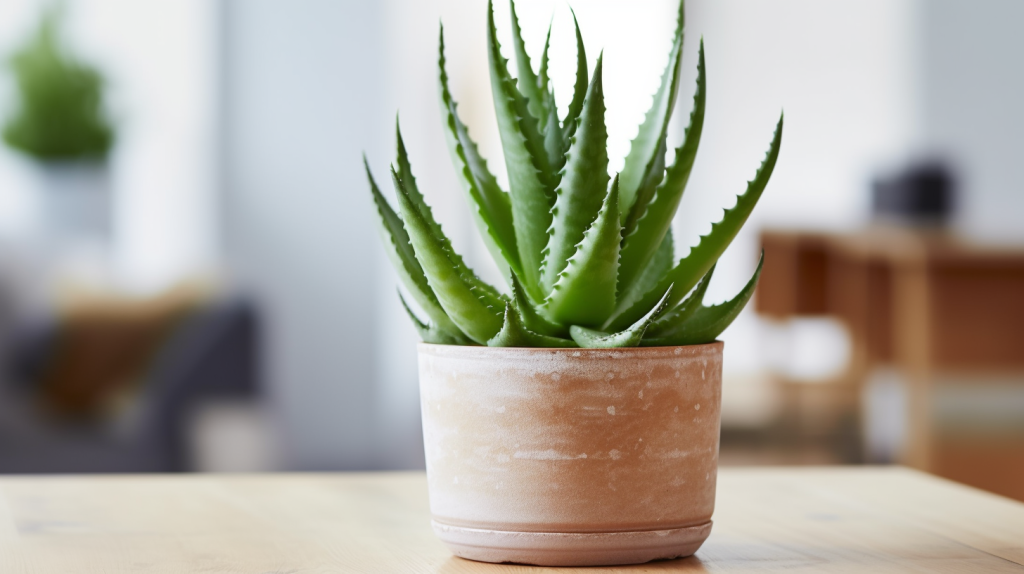
7. Aloe Vera (Aloe barbadensis)

Aloe Vera, a popular succulent known for its medicinal properties, is another hard-to-kill houseplant that can thrive with minimal care. With its thick, fleshy leaves containing a soothing gel, Aloe Vera has been used for centuries to treat skin ailments like burns, sunburns, and minor cuts. As an attractive and practical addition to your home, this plant will not only brighten up your space but also serve as a natural first-aid remedy.

Aloe Vera plants are well-suited for sunny spots, as they appreciate bright, indirect light. Too much direct sunlight can scorch the leaves, so it’s best to place your Aloe Vera near a sunny window with filtered light. If you notice the leaves turning brown or becoming thin and leggy, it may be an indication that the plant is not receiving enough light.

A crucial aspect of caring for Aloe Vera is understanding its watering requirements. As a succulent, it stores water in its leaves and is highly drought-tolerant. It’s essential to let the soil dry out completely between waterings to prevent overwatering. A well-draining soil mix and a pot with drainage holes are essential to keeping your Aloe Vera happy and healthy.

Aloe Vera plants prefer temperatures between 55-80°F (13-27°C) and can be sensitive to extreme cold or heat. They also benefit from occasional fertilization during the growing season. Feed your plant with a balanced, water-soluble fertilizer, diluted to half strength, every 4-6 weeks from spring to fall.

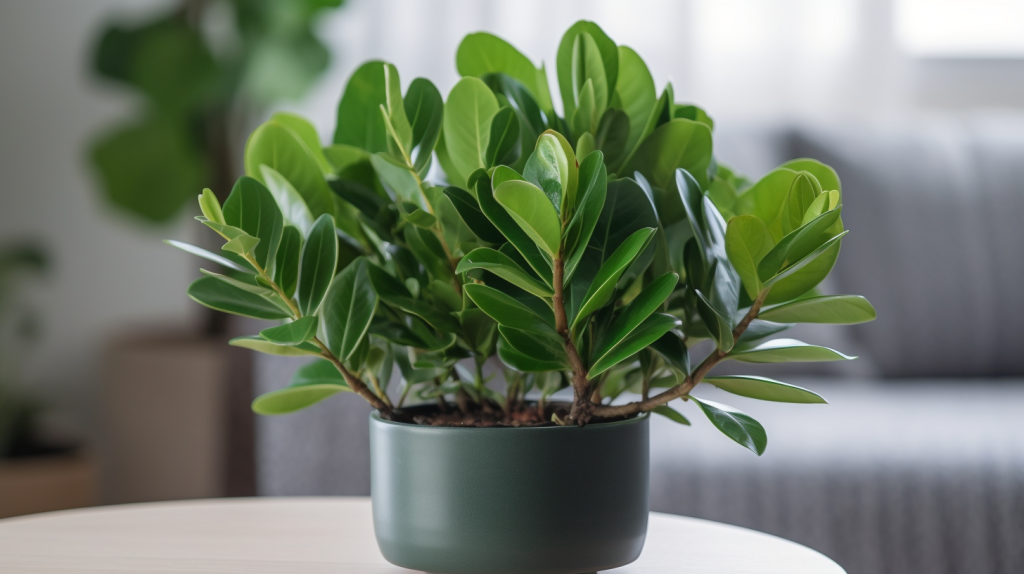
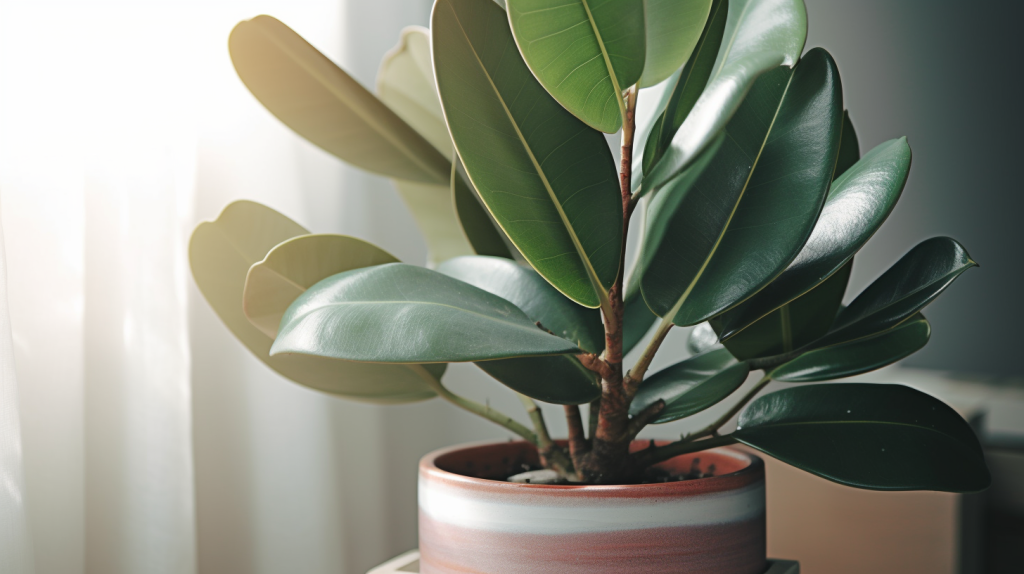
8. Rubber Plant (Ficus elastica)

The Rubber Plant, or Ficus elastica, is a visually stunning houseplant known for its large, glossy, deep green leaves. As a member of the Ficus family, the Rubber Plant is not only eye-catching but also resilient and low-maintenance. It’s an excellent choice for those who want a touch of the tropics without the need for constant care.

When it comes to light requirements, the Rubber Plant thrives in bright, indirect light. However, it can also tolerate lower light levels, making it suitable for various indoor environments. To ensure even growth and prevent the plant from leaning towards the light source, rotate your Rubber Plant every few weeks.

One of the most crucial aspects of Rubber Plant care is proper watering. The plant prefers its soil to be kept consistently moist but not waterlogged. Wait until the top inch of soil feels dry before watering your Rubber Plant, and be sure to empty any excess water from the saucer to prevent root rot. Overwatering can lead to yellowing leaves, while underwatering may cause the leaves to droop and eventually fall off.

Rubber Plants grow best in temperatures ranging from 60-75°F (16-24°C) and prefer moderate humidity. To increase humidity around your plant, place a tray of water nearby or group it with other humidity-loving plants.

Fertilize your Rubber Plant every 4-6 weeks during the growing season with a balanced, water-soluble fertilizer diluted to half strength. This feeding regimen will encourage healthy growth and ensure your plant remains vibrant.

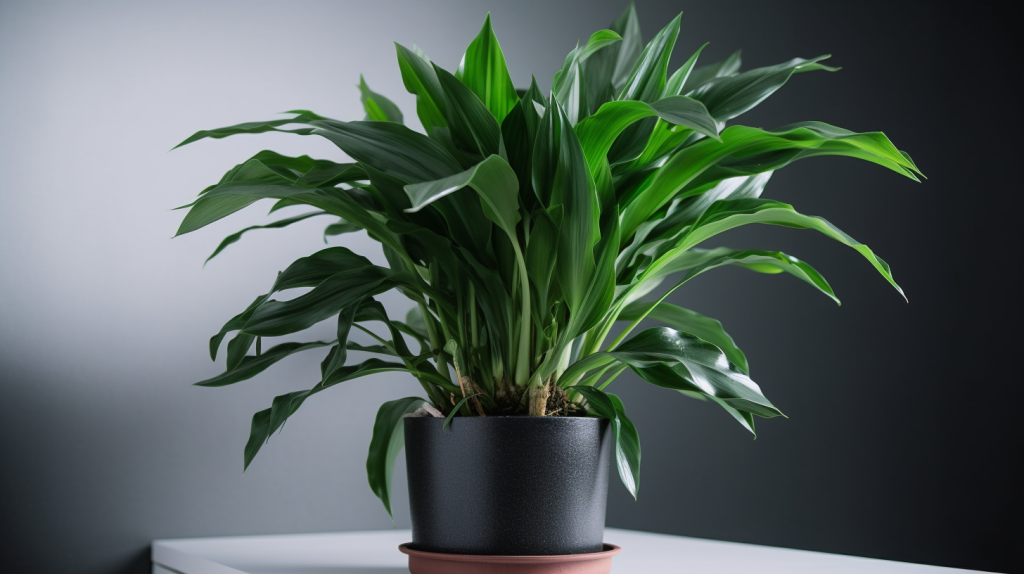
9. Cast Iron Plant (Aspidistra elatior)

The Cast Iron Plant, also known as Aspidistra elatior, is a true embodiment of resilience and low-maintenance care, hence its name. With long, lush, dark green leaves that grow upright fashion, the Cast Iron Plant will add elegance to your indoor space. This hardy plant can withstand a variety of conditions, making it an excellent choice for plant enthusiasts with busy lifestyles.

Like most plants on this list, the Cast Iron Plant is easy to care for thanks to its adaptability to various light conditions and forgiveness with unpredictable watering routines. It can tolerate low to medium light (although it does best in bright, indirect light) and prefers to be evenly moist (but can handle periods of drought without damage).

The Cast Iron Plant isn’t particularly fussy about temperature or humidity, but it does best in temperatures ranging from 50-85°F (10-29°C). Average household humidity levels are typically sufficient, so there’s no need for additional humidity measures.

Fertilize your Cast Iron Plant once a month during the growing season to provide it with the necessary nutrients for healthy growth and a vibrant appearance. With just a little love, the Cast Iron Plant will add elegance to your home for years to come!

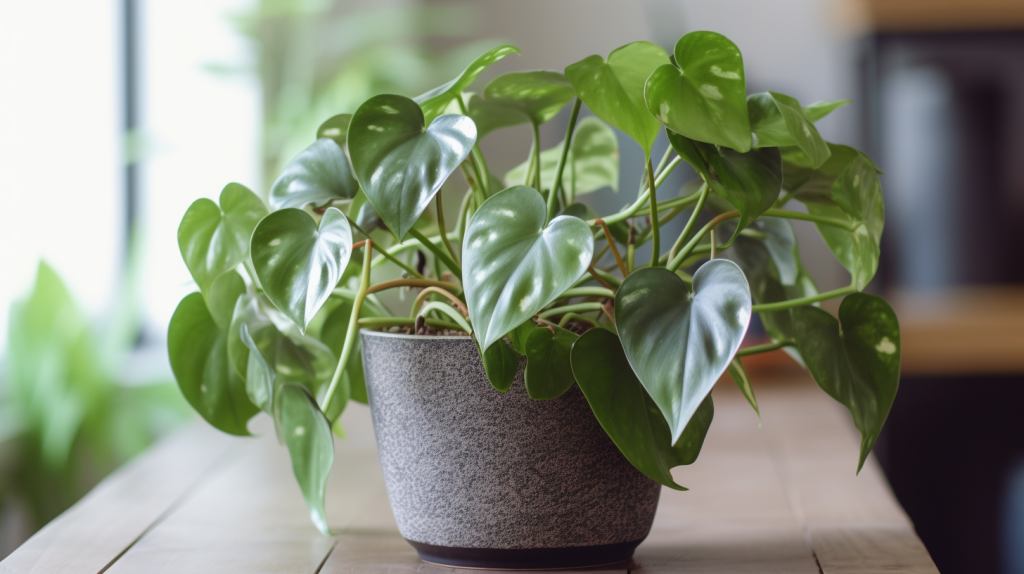
10. Heartleaf Philodendron (Philodendron hederaceum)

    Did we save the best for last?

    We LOVE the Heartleaf Philodendron, and if the heart-shaped leaves it pushes out are any indication, it loves us right back when we keep it healthy. Best of all, it doesn’t take. much. Beginners and experienced plant parents alike can expect to easily grow a vine-like trail of green hearts with minimal effort. They’ll reach and cling to their surroundings, making hanging baskets and bookcase shelves fantastic homes for “Philodendron hederaceum”.

    Philodendrons are highly versatile and can thrive in a range of conditions, from low light to bright, but it’s essential to avoid direct sunlight- this can scorch the leaves and cause them to lose their vibrant green color. On the flipside, if you notice the leaves turning pale or becoming leggy, it may be a sign that your plant needs more light.

    Although Heartleaf Philodendrons prefer consistent moisture, don’t overdo it- better safe than sorry. Allow the top inch of soil to dry out between waterings, which by now you’ve probably realized is a rule-of-thumb for low-maintenance houseplants, and be cautious not to overwater. Proper drainage, proper drainage, proper drainage!

    The Heartleaf Philodendron is unfussy about temperature but 65-80°F (18-27°C) is best. It can tolerate average household humidity levels, but if you’d like to give it some extra love, give them a boost. Especially during the winter months when indoor air tends to be drier, you can increase humidity by placing the plant on a tray of pebbles with water or putting a humidifier nearby.

    Feeding your Heart-shaped friends with a balanced, water-soluble fertilizer every month will improve growth and help maintain the plant’s lush, green appearance that make it so eye-catching. But worry not: these little guys can survive through a lot and are easy to propagate!